Thursday, March 4, 2021

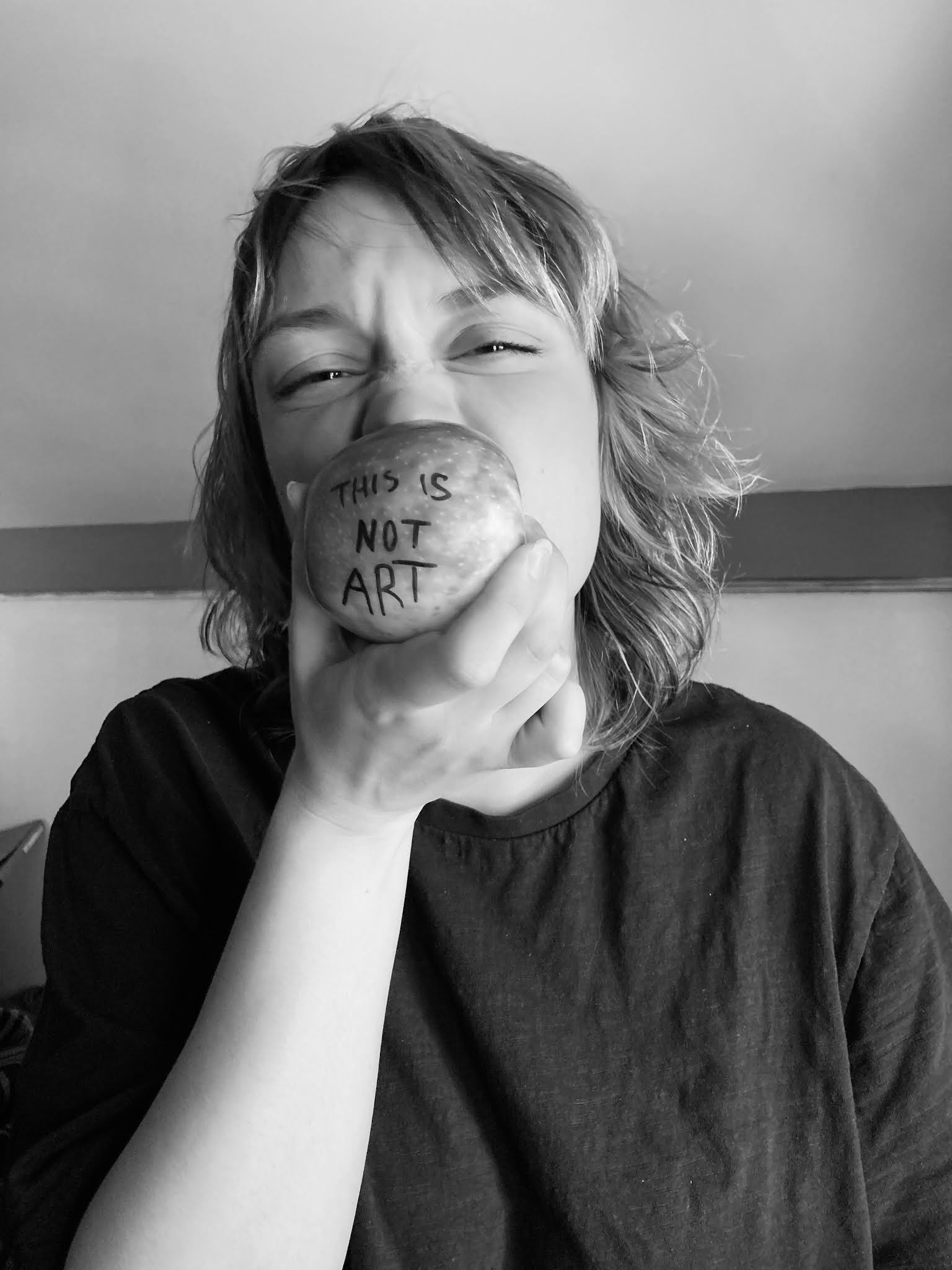
Selfie with Mickalene Thomas


 Bell Hooks: Understanding Patriarchy


-“Our sense of gender roles was learned from our parents, from the ways we saw them behave.” (pg.19)

- “it is not accident that feminists began to use the word “patriarchy” to replace the more commonly used “male chauvinism” and “sexism.” These courageous voices wanted men and woman to become more  aware of the way patriarchy affects us all.” (pg. 25)


Bell Hooks: The Oppositional Gaze


-“ The concept “Woman” effaces the difference between woman in specific socio-historical contexts, between women defined precisely as historical subjects rather than as a psychic subject (or non-subject).” (pg. 124)

-“We are afraid to talk about ourselves as spectators because we have been so abused by ‘the gaze’.” (pg. 125)


Wednesday, March 3, 2021

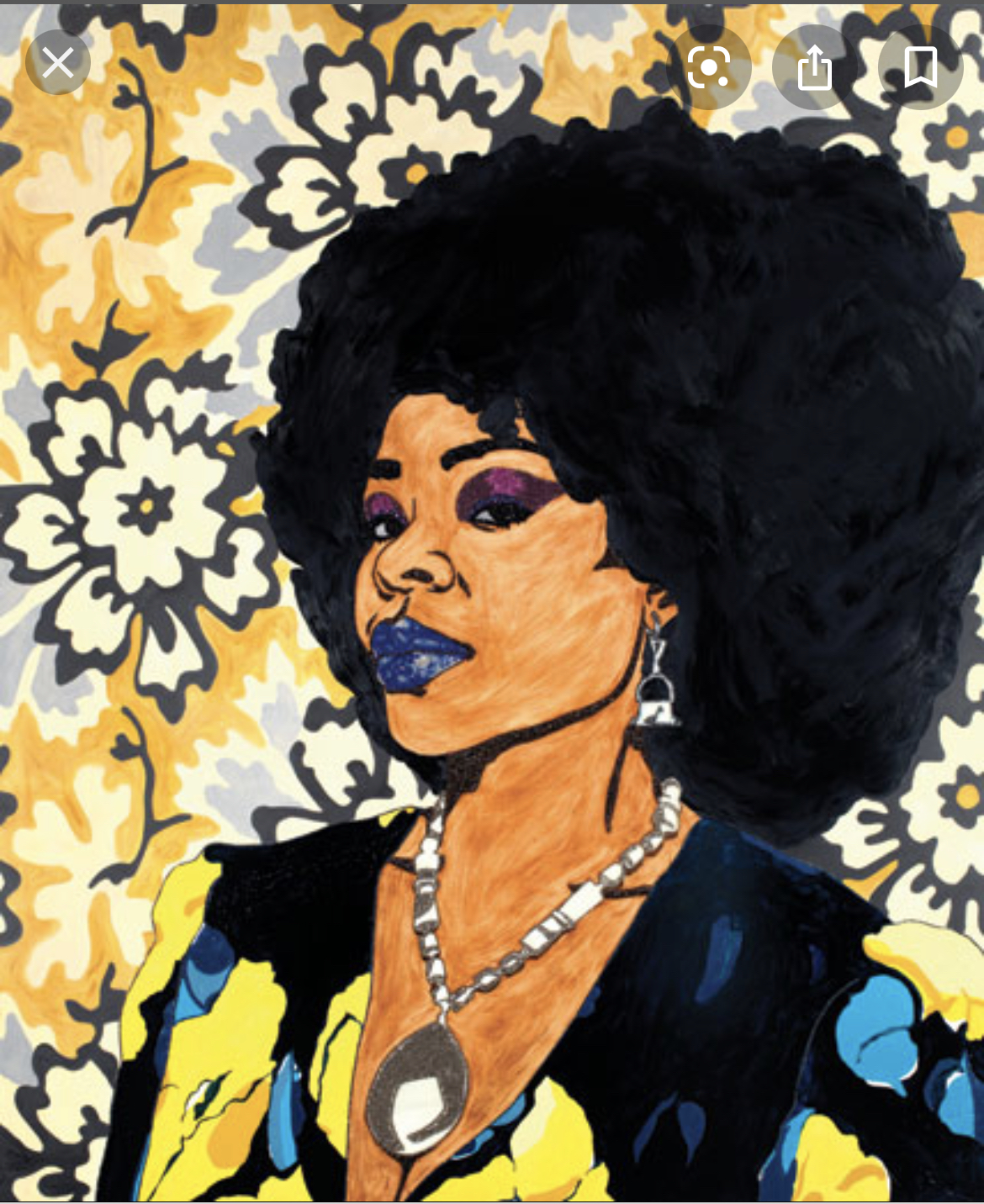
Mickalene Thomas

 Bell hooks Understanding Patriarchy

"Patriarchy requires male dominance by any means necessary, hence it supports, promotes, and condones sexual violence."

"But the most common forms of patriarchal violence are those that take place in the home between patriarchal parents and children."


Bell hooks The Oppositional Gaze 


"We laughed at television shows like Our Gang and Amos'n'Andy, at these white representation of blackness, but we also looked at them critically."

"That White Supremacist structure that killed Emmet Till after interpreting his look as violation, as "rape" of white womanhood..."

Selfie with Mickalene Thomas


Performance Piece


Blowing out my Birthday 

Understanding Patriarchy

“To indoctrinate boys into the rules of patriarchy, we force them to feel pain and to deny their feelings” (22) 


“Most of us learned the patriarchal attitudes in our own family origin, and they were usually taught to us by our mothers.” (23) 


The Oppositional Gaze

“Many feminist film critics  continue to structure their discourse as though it speaks about “women” when in actuality it speaks only about white women” (123)


“Power as domination reproduces itself in different locations employing similar apparatuses, strategies, and mechanisms of control” (115)


    In Understanding  Patriarchy, it explains that from when we are children to when we are adults we learn and follow the rules of patriarchy whether we realize it or not. Our parents may unknowingly teach it and it is present in our society, school, and work lives. This chapter adds emphasis to how the “ideal” spectator is male, but it also emphasizes how opposing the male gaze, when can get rid of the idea that the “ideal” spectator is male. By acknowledging these things, we can start to end them.


    In the Oppositional gaze, they discuss black female spectators. Black women are represented as less than in films. Black women are also ignored by “feminist” film critics because in reality they only care about white women. Black films are normally critiqued by their race rather than gender, unlike white films. In white films, black women are dehumanized and in films created by black men, black women are under the male gaze. Black female spectators are pushing the stereotypes that the media has created about them, and instead, create new stories that change their narratives. Changing the stereotypical stories about black women can also change how black women view and feel about themselves. 

Selfie with Mickalene Thomas


Arianna Perez

Mickalene Thomas


                                                              Bell Hooks: Understanding Patriarchy 


“ Until we can collectively acknowledge the damage patriarchy causes and the suffering it creates, we cannot address male pain. We cannot demand for men the right to be whole, to be givers and sustainers for life. Obviously some patriarchal men are reliable and even benevolent caretakers and providers, but still they are imprisoned by a system that undermines their mental health.” PG30


“Instead of wondering why men resist women’s struggle for e freer and healthier life. I began to wonder why men refrain from engaging in their own struggle.” PG 31


Bell Hooks: The Oppositional Gaze


“With the possible exception of early race movies, black female spectators have had to develop looking relations within a cinematic context that constructs our presence as absence, that denies the “body” of the black female so as to perpetuate white supremacy and with it a phallocentric spectatorship where the woman to be looked at and desired is “white.” PG 118


“Grown black women had a different response to Sapphire; they identified with her frustrations and her woes. They resented the way she was mocked. They resented the way these screen images could assault black womanhood, could name us bitches, nags. And in opposition they claimed Sapphire as their own, as the symbol of that angry part of themselves white folks and black men could not even begin to understand.” PG120


ANA MENDIETA SELFIE PIECE


    John Berger, Chapters 2+3

            "By contrast, a woman's presence expresses her own attitude to herself, and defines what can and cannot be done to her. Her presence is manifest in gestures, voice, opinions, expressions , clothes , chosen surroundings , taste indeed there is nothing she can do which does not contribute to her presence."

        "One might simplify this by saying: men act and women appear. Men look at women. Women watch themselves being looked at. This determines not only most relationships between men and women but also the relation of women to themselves. The surveyor of women in herself is male : the surveyed female." 

Mickalene Thomas -Photographed, Collaged and Painted Muses

    "By selecting women of color, I am quite literally raising their visibility and inserting their presence into the conversation,” Thomas said in a recent interview.

"The curation, which consists of four distinct parts in a kind of nesting doll arrangement, lets the viewer draw her own connections between Thomas’s work in various mediums and that of her influences".            

Inspiration - While creating this specific piece by Ana Mendieta I did not have fake blood so I had to use red lip stick to improvise. I felt the emotions Ana had in this one piece so I was inspired to do it .  As she touched on topics in her art pieces such as rape and murder which are really big topics now as well this piece of art work speaks many values. I feel like I recreated this photo because I felt the violence and  emotions that she had in this picture over all. 


Performance piece


                        (I’m allergic to apples)

bell hooks:

Understanding patriarchy 

“ In service to patriarchy her task was to reinforce that Dad had done the right thing in putting me in my place, by restoring the natural social order. “(21)

“Both perspectives accurately describe our predicament. Men do oppress women. People are hurt by rigid sexist role patterns. These two realities coexist. Male oppression of women cannot be excused by the recognition that there are ways men are hurt by rigid sexist roles.” (26)


The oppositional gaze

“Every black woman I spoke to with who was/is an ardent moviegoer, a lover of the Hollywood film, testified that to experience fully the pleasure of that cinema they had to close down critique, analysis; they had to forget racism. And mostly they did not think about sexism. “(120)

“Mainstream feminist film criticism in no way acknowledges black female spectatorship. It does not even consider the possibility that women can construct an oppositional gaze via an understanding and awareness of the politics of race and racism. Feminist film theory rooted in ahistorical psychoanalytic framework that privileges sexual difference actively suppresses recognition of race, reenacting and mirroring the erasure of black womanhood that occurs in films, silencing any discussion of racial difference—of racialized sexual difference.” (123)

Selfie by Mickalene Thomas

 The Seductive and Subversive Art of Mickalene Thomas - Galerie


Quotes: 

Understanding Patriarchy 

  1. When we learned that the script that had determined what should be 

The Oppositional Gaze 

  1. There is power in looking 

  2. But to the structures of power which ask us to consume them uncritically and in highly circumscribed ways. 


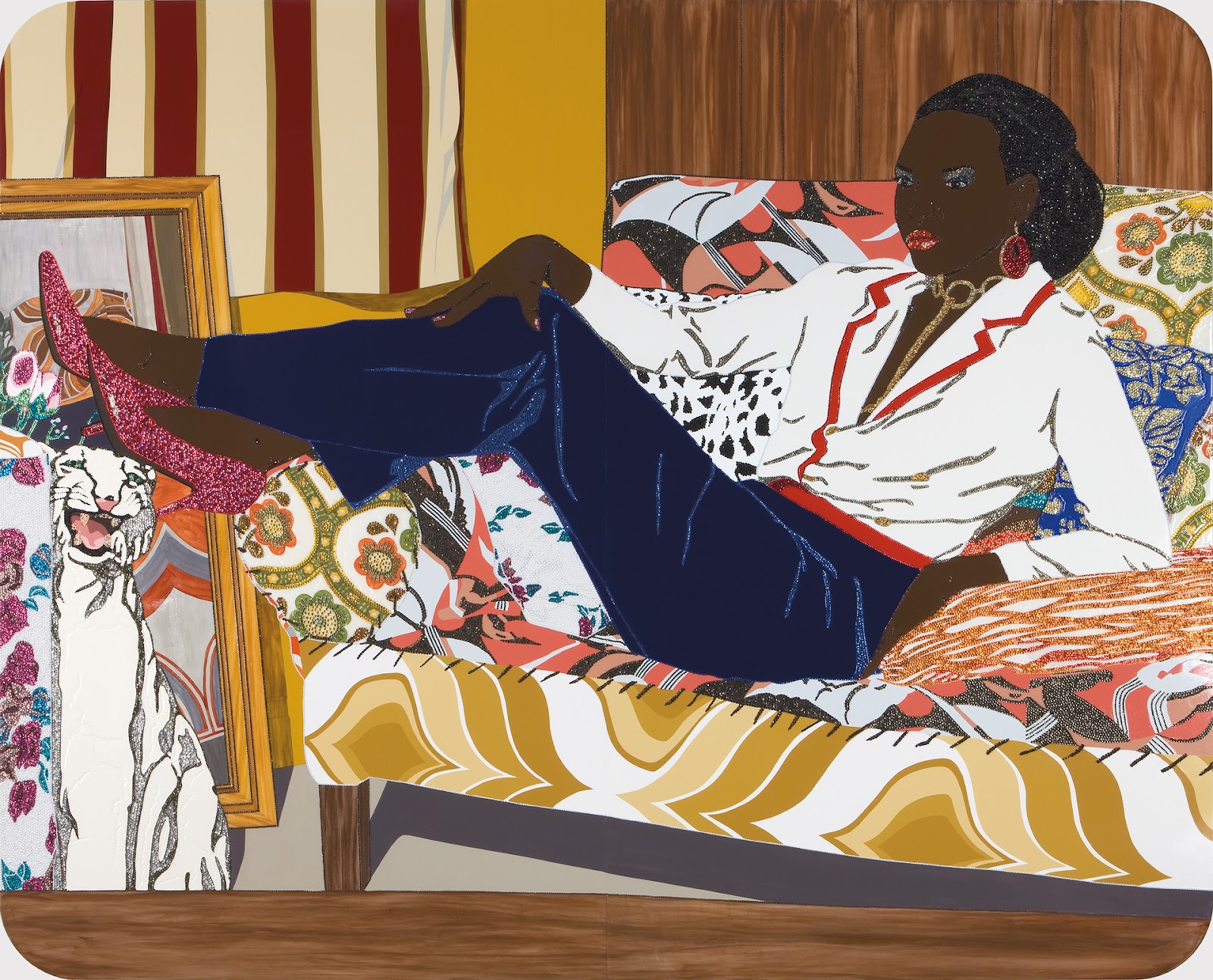
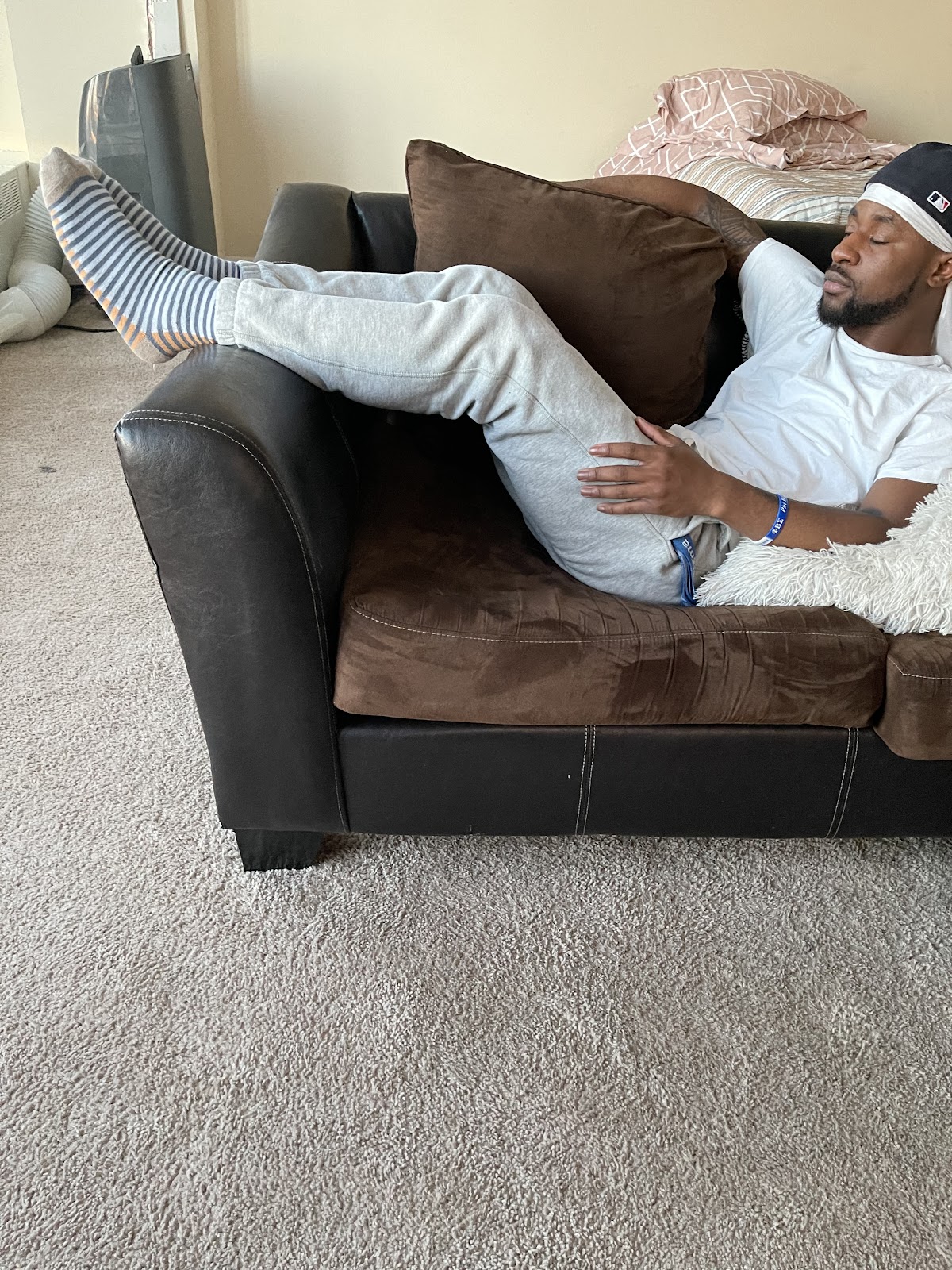
Mickalene Thomas made this portrait of Monoja which is an example of one of Thomas’s recent work. She has a wood paneled background in a living room. I have a couple similarities when it comes to the portrait because I’m sitting on a brown couch. Thomas explains how “Mnonja exudes dignity and self assurance”. My interpretation of this image is respect, knowing your worth, or having standards for yourself.  I can relate to that because I know myself better than anyone else does.  I’m also confident in myself and have morals and standards in life.