Tuesday, April 13, 2021

Reclaiming the Gaze by Ana Mendieta


Mickalene Thomas -Photographed, Collaged and Painted Muses


“Thomas is working in the midst of much crucial discussionin the art world about underrepresentation and misrepresentation of black bodies and female bodies in the western art canon and the contemporary media.


The curation, which consists of four distinct parts in a kind of nesting doll arrangement, lets the viewer draw her own connections between Thomas’s work in various mediums and that of her influences.”


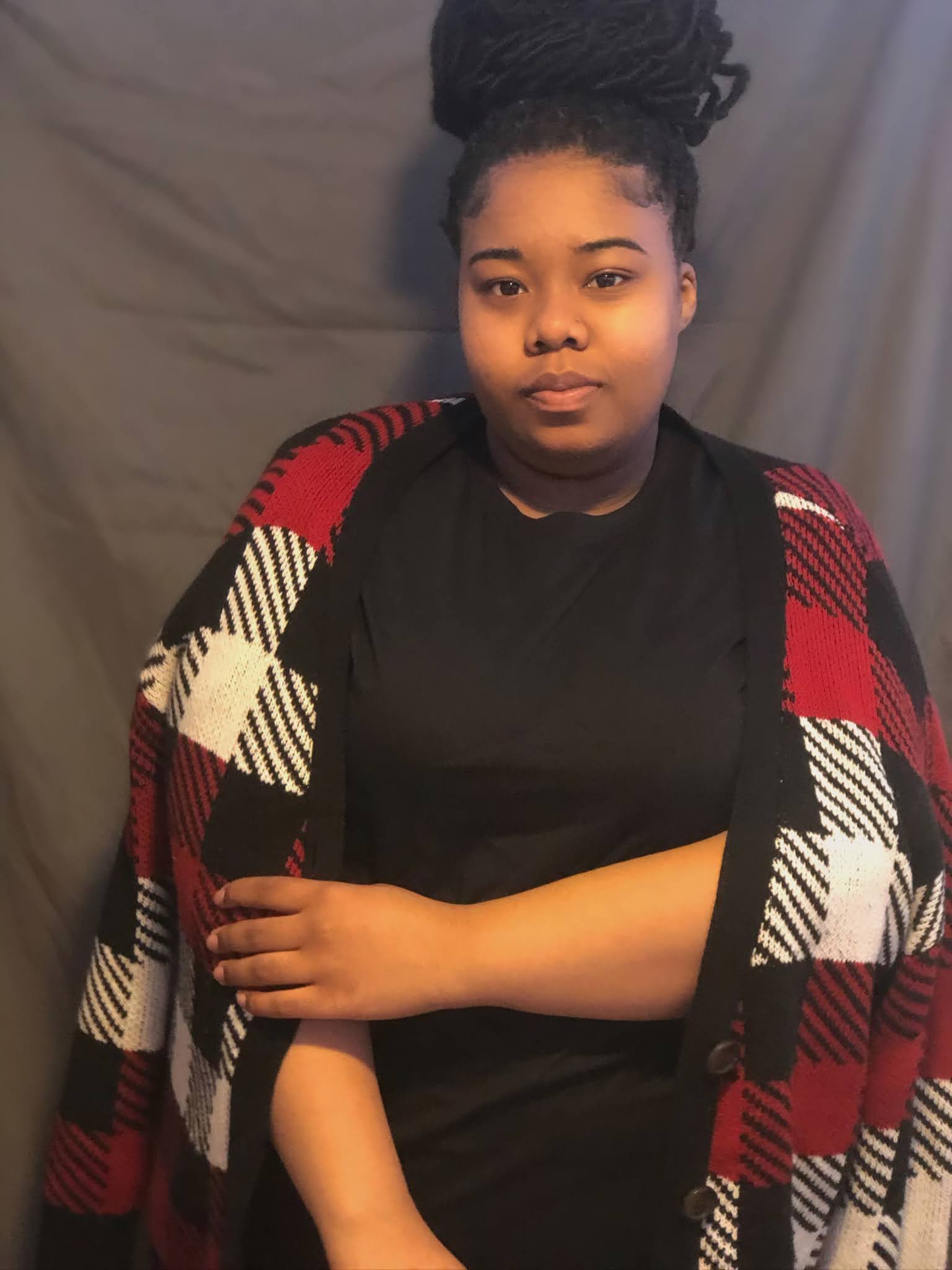
Selfie with Frida Kahlo


Overlooked No More: Ana Mendieta, a Cuban Artist Who Pushed Boundaries | NYTimes


Ana Mendieta’s art was sometimes violent, often unapologetically feminist and usually raw.”


“She urged viewers to disregard their gender, race or other defining societal factors and instead connect with the humanity they share with others.”


                                                    15 words describing Frida


-   Creative 

-   Artistic 

-   Feminist 

-   Talented

-   Sad

-   Different

-   Powerful 

-   Hard working 

-   Confident 

-   Deep

-   Strong 

-   Passionate 

-   Dramatic

-   Intense 

-   Emotional 


                                               15 words that describe myself


-   Creative 

-   Funny

-   Caring

-   Loving 

-   Strong 

-   Artistic

-   Loyal 

-   Generous 

-   Emotional

-   Respectable 

-   Outgoing 

-   Humble

-   Supportive 

-   Trusting 


-   Independent 


Monday, April 12, 2021

Warhol and Basquiat Essay- Ava Gonzalez

 Ava Gonzalez

Professor Cacoilo

ART 2421105 Self: Image

Andy Warhol and and Jean-Michel Basquiat both have left their mark through their unique art styles. Their work catches the eye with their use of bright colors and interesting layouts. Warhol’s parents came from the Carpathian Mountains, which is Eastern Slovakia today. Andrew Warhola was born on August 6, 1928 in Pittsburgh, Pennsylvania. In 1934, Warhol and his family moved into their home and spent a great amount of time studying his Eastern European culture. Jean-Michel Basquiat was born in Brooklyn, New York. His mother was from Puerto Rico and his father was from Haiti. Growing up, Basquiat fluently spoke English, Spanish, and French. Both Warhol and Basquiat indulged themselves into their culture and backgrounds. Although both artists had a stable home environment, they both suffered setbacks that gave both artists their inspiration and molded them into the artists they became.

Warhol suffered from a neurological disorder called Sydenham disorder, which is known as St. Vitus dance. Sydenham disorder attacked his nervous system and had him bedwridden. The disorder affected Warhol’s day to day life. As said in The Warhol:”s Andy Warhol’s Time, “When the disorder occasionally kept him home from school, Warhol would read comics and Hollywood magazines and play with paper cutouts.” Warhol would spend a large amount of time looking at magazines and the pop culture shown in comic books, which started to mold Warhol’s ideas to create pop art. Warhol often used repetitive images and complementary colors. 

Jean-Michel Basquiat also struggled in his early years of life as he got hit by a car while he was playing in the street when he was eight years old. He suffered a broken arm and a ruptured spleen, which caused him to undergo a splenectomy. As stated in Weebly’s Jean-Michel Basquiat, “While in the hospital Basquiat's mother gave him a copy of "Grey's Anatomy" and a book called "Junky" by William Burroughs which somewhat influenced the goriness of his earlier drawings. Among other things, Bssquiat had the strongest relationship with his mother, and when he got out of the hospital she often took him to theaters and museums.” Seeing these images,  inspired Basquiat to create gory, graphic images. After both of these incidents Warhol and Basquiat went through, their careers began to take off.

Andy Warhol graduated from college with his Bachelor of Fine Arts degree in 1949. He then moved to New York City in hopes of having a career as a commercial artist. He soon gained great success as an artist. As said in Biography’s Andy Warhol, It was also at this time that he dropped the "a" at the end of his last name to become Andy Warhol. He landed a job with Glamour magazine in September, and went on to become one of the most successful commercial artists of the 1950s.” Warhol started to discover himself as a person and as a creator. His work grew more creative as he started to use different techniques and unique materials. Once Warhol debuted pop art to the world, he started to win multiple awards and his work was featured on Campbell’s soup cans. As said in Biography’s Andy Warhol, “In 1962, he exhibited the now-iconic paintings of Campbell's soup cans. These small canvas works of everyday consumer products created a major stir in the art world, bringing both Warhol and pop art into the national spotlight for the first time.” 

Basquiat was able to gain a successful career as an artist as well and collaborated with Warhol on artistic pieces together. As stated in Weebly’s Jean-Michel Basquiat, “Basquiat's art would be described as childlike, and cartoony and he made about 5,000 to $10,000 a piece during his first art show, and began selling out art shows just within his 2nd year of his career.” Basquiat’s work was looked at as childish and viewed as scribbles but overtime, he gained respect throughout the art community. Unfortunately, Basquiat suffered a severe drug addiction at the peak of his career. Many customers bought more of his work during this time because his work was gaining more recognition and was increasingly better. His addiction caused him to lose friends and he was struggling during what could have been the best time of his life. 


Bibliography

Andy Warhol's Life. (n.d.). Retrieved April 07, 2021, from https://www.warhol.org/andy-warhols-life/


Andy Warhol. (2020, March 06). Retrieved April 07, 2021, from https://www.biography.com/artist/andy-warhol


Childhood. (n.d.). Retrieved April 07, 2021, from https://jmbasquiat.weebly.com/childhood.html


Thursday, April 8, 2021

Selfie with Andy Warhol


Andy Warhol used very bright colors, repeated images, and pop media. His artwork is very original and stands out from a lot of other artists' work. His work can come across as repetitive but it gave him his own style and everyone was able to recognize his work. 


Selfie with Kehinde Wiley


I chose to re-create this picture from Kehinde Wiley because I thought the color scheme was very pleasing to the eye. A lot of his paintings were vibrant and exciting to look at. Although I am not African American, I loved seeing how beautifully he portrayed African American men and women. A quote that stuck out to me from The New York Times article, Kehinde Wiley Puts a Classical Spin on His Contemporary Subjects,  "He is known for vibrant, photo-based portraits of young black men (and occasionally women) who are the opposite of scared - they gaze out at us coolly, their images mashed up  with rococo-style frills and empowering poses culled from art history." 

Wednesday, April 7, 2021

Jaz Graf/ AMY SHERALD and Kehinde Wiley


Kehinde Wiley selfie

"The hand on the hip is not passive, her gaze is not passive. She looks strong!” says Sherald. “I wanted this image to stand as a piece of inspiration to keep fighting for justice for her."

"She activates the double function of portraiture as the recognition of a worldly identity and, in the best instances, the surprise of an evident inner life."

Jaz likes to use raw material and synthetics in her recent art pieces. She thinks that these materials are very useful to serve her idea of her art pieces. She also has a new favorite material which is paper. She uses paper to create consistent and matching sheets in texture and color. Then, she can use other material to complete her art pieces. 

Jaz was talking about how landscapes are inspirational to her, they form her identity. She is also trying to link her culture and identity to her art work.


Amy Sherald


Amy Sherlad "FACT WAS SHE KNEW MORE ABOUT THEM THAN SHE KNEW ABOUT HERSELF, HAVING NEVER HAD THE MAP TO DISCOVER WHAT SHE WAS LIKE"


 The Amy Sherald Effect

"It does in light of the artist’s drive to, in her words, seek “versions of myself in art history and in the world.” 


"Race applies as a condition and a cause for resetting the mainstream of Western art"


Identity - Finkelstein 

Attached to our bodily deportment and accessories are highly detailed codes that suggest specific social impressions” (127)


“Playing with appearances and emphasizing certain qualities in the production of a public identity emphasize the influence of circumstances, yet at the same time the contrary claim of fixed self endures” (133)


    The items we wear can signify our identity to others. People of different cultures have clothing and accessories that are specific to them. As well as different religions such as Jewish men wearing Yamahas. The items we wear can also show social class. In today’s world of trends, people tend to change their appearances to appeal to what is trendy. Since trends are constantly changing, so are people’s appearances. Even though their appearances are changing, it does not change their true identity. Our appearance is just a small portion that can affect one’s identity. 


Jaz Graf 

    Her family is from Thailand so she creates any are works about Thailand and her roots there. A project of hers that stood out to me was her monk robe paper. Paper has many material capacities to record the time of nature and civilizations. Monk rob is very powerful and she makes paper out of their robes. Turns robes into paper through a mechanical beater and also incorporates other plants into the paper pulp. Her childhood home was blessed by monks, so they played a role throughout her life from a young age. In a newer project, she takes the seams from the robe before she makes paper from it. The robes that she receives are from some female monks and Thailand women are frowned upon to wear monk robes. Women monks in Thailand are often unrecognized and discriminated against. Her work advocates women to be able to be monks and recognized.